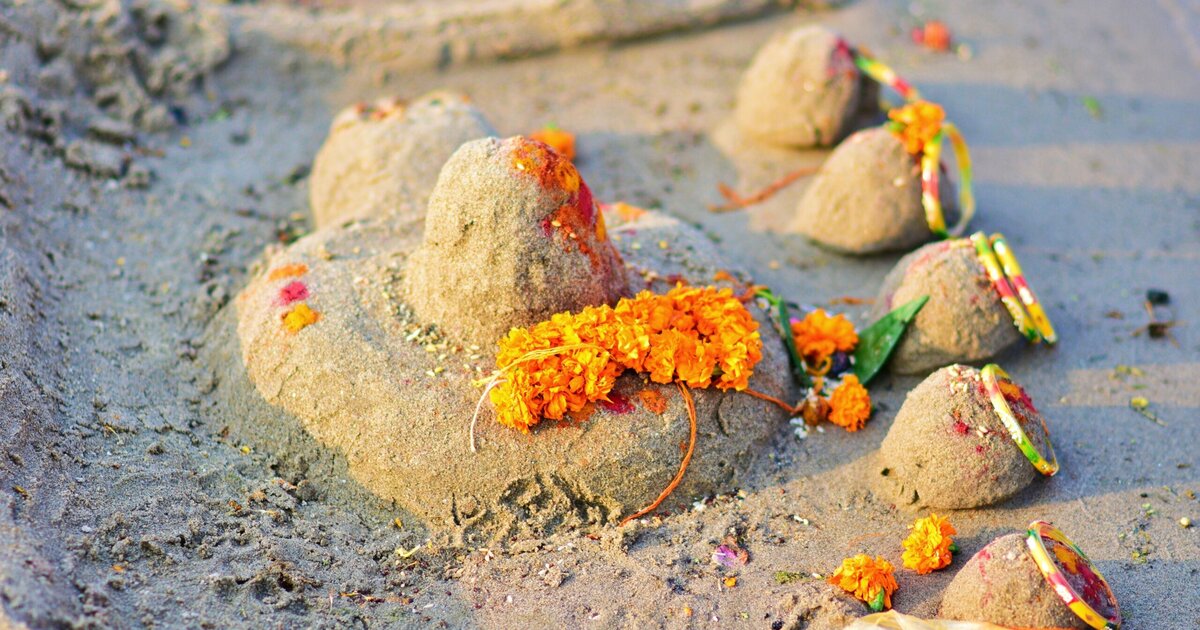
How to Plan a Stress-Free Banaras Trip , Banaras has a reputation for being overwhelming — and honestly, it earns it. The city is dense, loud, ancient, disorienting, and deeply unlike anywhere else in India. First-time visitors often arrive with a loose plan and leave feeling like they missed something important without quite knowing what it was.
The good news is that a stressful Banaras trip is almost always the result of poor planning rather than the city itself. When the logistics are sorted in advance — the right accommodation, a reliable vehicle, temple visit timings mapped to aarti schedules — Varanasi stops being chaotic and starts being what it actually is: one of the most extraordinary places on earth.
This guide gives you a clear, practical, step-by-step planning framework so that your Banaras trip runs smoothly from the moment you arrive to the moment you leave.
How to Plan a Stress-Free Banaras Trip
Step 1 — Decide How Many Days You Actually Need
The single most common Banaras planning mistake is not budgeting enough time. Most people plan one night and two days. Almost everyone wishes they had planned more.
Here is an honest breakdown:
- 1 night, 2 days: You will see the Ganga Aarti and one temple darshan. That is it. You will feel rushed the entire time.
- 2 nights, 3 days: The minimum for a considered visit. Covers Kashi Vishwanath, the ghats, an evening aarti, a morning boat ride, and a little lane exploration. The 2N3D Varanasi Tour Package from Tripcosmos is built for exactly this duration.
- 3 nights, 4 days: The sweet spot. Adds Sarnath, a second temple circuit, a slower morning on the ghats, and enough time to actually feel the city rather than just photograph it.
- 4+ nights: For those combining Varanasi with Vindhyachal, Prayagraj, or Ayodhya as part of a wider pilgrimage. This is where multi-city planning becomes essential.
Be honest with your group about pace. An itinerary that works for a 28-year-old solo traveler may be completely wrong for a family with elderly parents. Plan around your slowest member and everyone will have a better time.
Step 2 — Choose Your Accommodation Wisely
Where you stay in Varanasi determines how much stress you carry through the entire trip. Two main zones to consider:
Ghat-Side Accommodation (Old City Area)
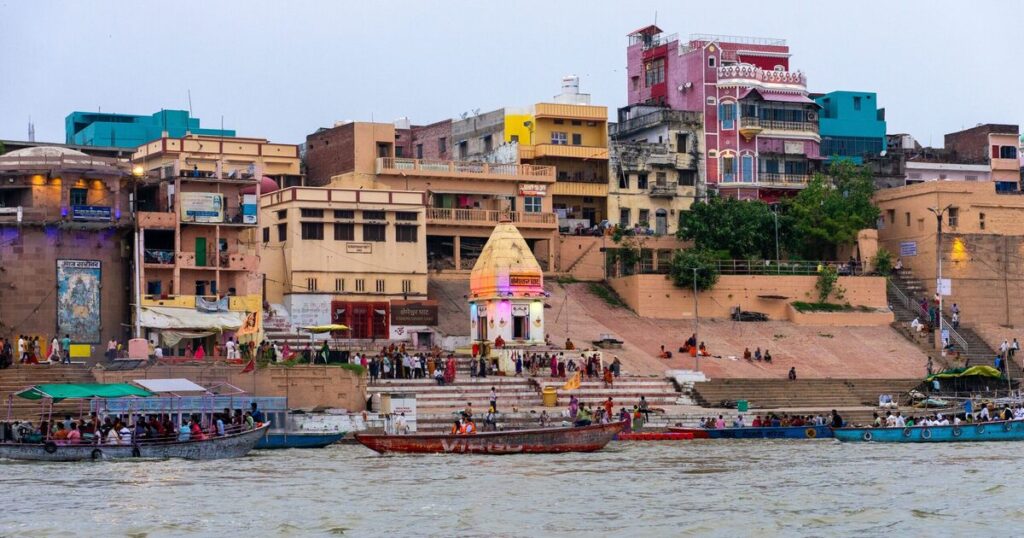
Staying near Assi Ghat, Dashashwamedh Ghat, or anywhere along the main ghat promenade puts you within walking distance of the most important experiences in the city. Morning boat rides, the evening aarti, the Kashi Vishwanath Corridor — all accessible on foot. The trade-off: narrow lanes, no vehicle access directly to many guesthouses, and more noise and activity around you.
This is the right choice for travelers who want total immersion in the Varanasi experience and are comfortable navigating the old city on foot.
Mid-City or Cantonment Area Hotels
The Cantonment and Civil Lines areas offer quieter, more spacious hotels with easy vehicle access and better amenities. You will need a cab or auto for ghat visits, but the comfort level is significantly higher. This is the better choice for families with elderly members, young children, or anyone who needs a proper rest between darshan runs.
Book accommodation at least two to three weeks in advance for October–February visits. Varanasi fills up quickly during peak season, Dev Deepawali, and major festivals.
Step 3 — Sort Your Transport Before You Arrive
Transport is where most Banaras trips generate the most stress — and it is entirely avoidable with advance planning.
Here is the core problem: Varanasi’s old city is not accessible by car beyond certain entry points. You will walk the final stretch to most ghats and the Kashi Vishwanath Corridor. This means you need a vehicle that can get you to the right drop-off point for each destination, wait while you are inside, and pick you up from the same or nearby point on return.
An unfamiliar driver hired on the spot at the station or airport will not know these drop-off points. They will guess, you will walk farther than necessary, and the whole day will take longer than it should.
The right solution: Pre-book a verified cab through Tripcosmos before you arrive. Your driver is assigned in advance, knows your itinerary, and will be at the pickup point when you land — not somewhere in a parking lot that takes twenty minutes to locate.
Vehicle guide by group size:
- 1–3 people: A sedan (Maruti Dzire or similar) — compact enough to navigate Varanasi’s inner roads, comfortable for city-to-city transfers
- 4–6 people: Toyota Innova Crysta — the standard choice for family visits, comfortable for longer drives to Sarnath or Vindhyachal
- 8–12 people: Tempo Traveller — keeps the whole group together, ample luggage space, ideal for joint family pilgrimages
- 12+ people: Mini bus or coach — Tripcosmos handles larger group bookings with advance notice
Step 4 — Build Your Itinerary Around Aarti Timings, Not Convenience
The most important planning insight for Varanasi: your schedule should serve the temples, not the other way around.
Every major temple and ghat experience in Varanasi happens at a specific time. The Ganga Aarti at Dashashwamedh Ghat begins at sunset — roughly 6:15–6:30 PM in winter and 7 PM in summer. The Kashi Vishwanath Mangala Aarti starts at 3 AM. The Shringar Aarti follows at approximately 4 AM. Morning boat rides are best between 5 AM and 6:30 AM.
A stress-free itinerary builds backwards from these timings — not forwards from when you feel like waking up.
A practical 2N3D schedule looks something like this:
Day 1:
- Arrive by afternoon. Check in. Rest.
- Evening: Ganga Aarti boat ride at Dashashwamedh Ghat — the essential first Varanasi experience
- Night: Explore nearby ghat area if energy permits; early sleep
Day 2:
- 4:30 AM: Depart for Kashi Vishwanath Mangala/Shringar Aarti — the most spiritually powerful darshan of the trip
- 5:30 AM: Morning boat ride on the Ganga as dawn breaks over the ghats
- 8 AM: Breakfast at a ghat-side café; rest
- 11 AM–1 PM: Kashi Vishwanath Corridor exploration (after morning rush eases)
- Afternoon: Sarnath visit — the Buddhist pilgrimage site 5 km from the city
- Evening: Assi Ghat aarti (smaller, more intimate than Dashashwamedh)
Day 3:
- Morning: Slow walk along the full ghat stretch — from Assi to Manikarnika
- Late morning: Old city lane exploration with local context
- Afternoon: Departure or extension toward Prayagraj/Ayodhya
Step 5 — Know What You Can Leave Unplanned
Not everything needs to be pre-booked or pre-decided. Part of what makes Banaras extraordinary is its spontaneity — the unexpected temple you stumble into, the conversation with a sadhu by the river, the chai shop in a two-hundred-year-old building where you sit longer than intended.
Leave afternoons genuinely free where possible. Do not pack every hour. The most memorable moments in Varanasi typically happen in the gaps between planned activities — and a stress-free trip is one that has enough breathing space for those gaps to exist.
What should definitely be pre-arranged: your airport/station pickup, your aarti boat ride, your Kashi Vishwanath darshan timing, and your multi-day vehicle. What can be left flexible: most afternoon activities, food decisions, lane exploration, and any secondary temples beyond your core list.
Step 6 — Manage Common Stress Triggers in Advance
Touts and Unsolicited Guides
Varanasi has a persistent tout culture around the ghats and the Kashi Vishwanath entrance lanes. The best defense is a clear, firm “no” said once and not repeated. Do not engage, explain, or apologize. Moving with purpose — rather than looking uncertain — also reduces approaches significantly.
Temple Queue Anxiety
Kashi Vishwanath queues during peak hours (10 AM–2 PM) can be genuinely long. The solution is timing — arrive before 8 AM or after 6 PM and wait times reduce dramatically. For older family members who cannot stand for long periods, checking VIP darshan options at the time of visit is worth doing.
Getting Lost in the Lanes
The old city lanes are genuinely disorienting. Accept this in advance, download an offline map of the area before arriving, and identify two or three landmarks that you can navigate back to from any direction — Dashashwamedh Ghat, Godaulia Chowk, and Assi Ghat are the most useful anchors.
Let Tripcosmos Handle the Planning
If the step-by-step above feels like a lot to manage from a distance, there is a simpler option: let Tripcosmos build the plan for you.
The team at Tripcosmos specializes in exactly this — taking the planning weight off travelers who want a meaningful Varanasi experience without spending weeks figuring out logistics from scratch. They can handle:
- Complete Varanasi tour packages with accommodation, transport, and key experiences included
- Pre-booked verified cab and driver for your full stay
- Private boat ride bookings for the Ganga Aarti
- Multi-city extensions to Prayagraj, Ayodhya, or Chitrakoot with seamless transport
- Custom itineraries built around your group’s specific pace, faith, and priorities
For families specifically, also read the Family Pilgrimage Planner for First-Time Visitors — a detailed guide covering every aspect of family-specific pilgrimage planning.
According to travel planning research, pre-arranged transport and accommodation remain the two highest-impact factors in overall travel satisfaction across Indian pilgrimage destinations. Getting both right before you arrive is the single most effective thing you can do for a stress-free Banaras trip.
📍 Website: https://tripcosmos.co 📱 WhatsApp: +91 9336116210
Send your travel dates, group size, and how many days you have — and the team will put together a Varanasi plan that takes the stress out of the equation entirely.
Frequently Asked Questions
Q1: How many days is ideal for a first-time Banaras trip?
Two nights and three days is the practical minimum for a genuinely satisfying first visit — covering the Kashi Vishwanath Corridor, an evening Ganga Aarti boat ride, a morning river experience, and some time in the old city lanes. Three nights and four days is better if you can manage it, adding Sarnath and a slower, more immersive experience of the ghats. One-night trips are possible but consistently feel rushed.
Q2: What is the biggest planning mistake people make for a Varanasi trip?
Not booking transport in advance is the most consistently damaging mistake. Arriving at the station or airport without a pre-arranged, verified pickup leads to negotiating with unknown drivers, overpaying, missing planned timings, and starting the trip in a state of avoidable stress. The second biggest mistake is planning too many places into too few days, leaving no time to simply be present in the city.
Q3: Is it better to stay near the ghats or in a hotel further from the old city?
Both have genuine advantages. Ghat-side accommodation gives you walking access to the most important experiences and total immersion in Varanasi’s atmosphere — ideal for solo travelers, couples, and those comfortable with the old city environment. Hotels in the Cantonment area offer better amenities, quieter nights, and easier vehicle access — better for families with elderly members or young children. Your specific group’s needs should drive this decision.
Q4: What is the best time of day to visit Kashi Vishwanath Temple to avoid long queues?
Early morning before 8 AM and evening after 6 PM are consistently the best windows for manageable queue times. The absolute peak period — 10 AM to 2 PM — should be avoided if possible. The Mangala Aarti darshan at 3–4 AM requires the earliest start but offers the most spiritually powerful atmosphere with relatively fewer people than afternoon visits.
Q5: Can Tripcosmos plan a Banaras trip for a large joint family group of 15–20 people?
Absolutely. Tripcosmos regularly handles large family and group travel — including joint family pilgrimages of 15 to 25 people. For groups of this size, a Tempo Traveller or mini bus is the right vehicle choice, and the team coordinates accommodation, temple timing, and transport logistics as a complete package. Advance booking of at least two to three weeks is recommended for large group arrangements.
A stress-free Banaras trip is not about avoiding the city’s intensity — it is about meeting that intensity with preparation. Know your days, choose your accommodation thoughtfully, sort your transport before you arrive, build your schedule around aarti timings, and leave room for Kashi to surprise you.